01
Right Direction
A building's orientation has a measurable impact on the wellbeing of its occupants. The sun's energy is most nourishing at sunrise — east-facing homes bring the greatest benefits to health and success.
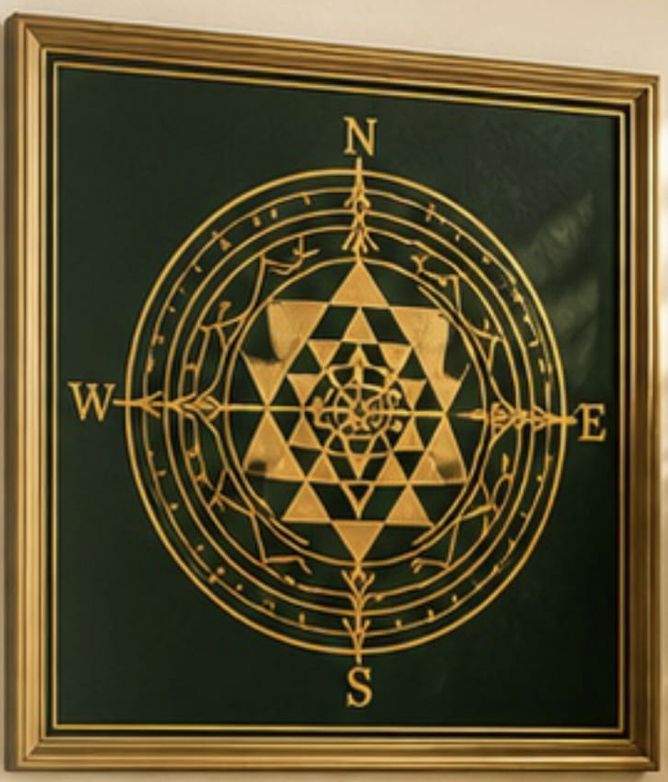
Design and construct a building in harmony with natural law — the orientation, placement, and proportions that quietly shape a life.
orientation, placement, and dimensions / proportions
Vastu is the design and construction of a building in harmony with natural law — taking into consideration the proper orientation of the house, with its entrance facing due east or, in some cases, north.
This is extremely useful because our health, happiness, and well-being are influenced by the orientation of the buildings we occupy. Published studies support this understanding.
The strongest influence of natural law comes from the Sun. During its daily travel from east to west, the Sun generates different qualities of energy. A home should be designed so that each of these energies corresponds to the activity intended for each room — then natural law supports every aspect of daily life.
For example:
When a Vastu home is planned, proportions and key dimensions — length, width and height — are precisely calculated to obtain auspicious measurements which resonate with corresponding cycles of our cosmic counterparts: the Sun, Moon, planets and stars. This brings nourishing and harmonising influences upon the occupants of the home.
Can homes create wellness for their occupants — not simply from materials or air quality, but through the form of the building itself? In Vastu architecture, natural law and architectural principles produce a profound compatibility between the built environment and nature. This enhances mental and physical health, family relations, work and spirituality.
A building's orientation has a measurable impact on the wellbeing of its occupants. The sun's energy is most nourishing at sunrise — east-facing homes bring the greatest benefits to health and success.
As the sun moves across the sky it carries different qualities of energy. Rooms are placed so that each activity — cooking, studying, resting — aligns with the appropriate quality of sunlight.
Proportion is a key to successful design in nature. Precise length, width and height calculations resonate with cosmic cycles — the Sun, Moon, planets and stars — bringing harmony to the occupants.
Sustainable, locally-appropriate materials — wood, brick, rammed earth, clay stucco, natural fibers and non-toxic finishes — support health and align the home with the surrounding environment.
Slope of the land, sunlight patterns, placement of water bodies and neighbouring structures are all evaluated. Homes avoid harmful electro-magnetic fields for a truly peaceful setting.
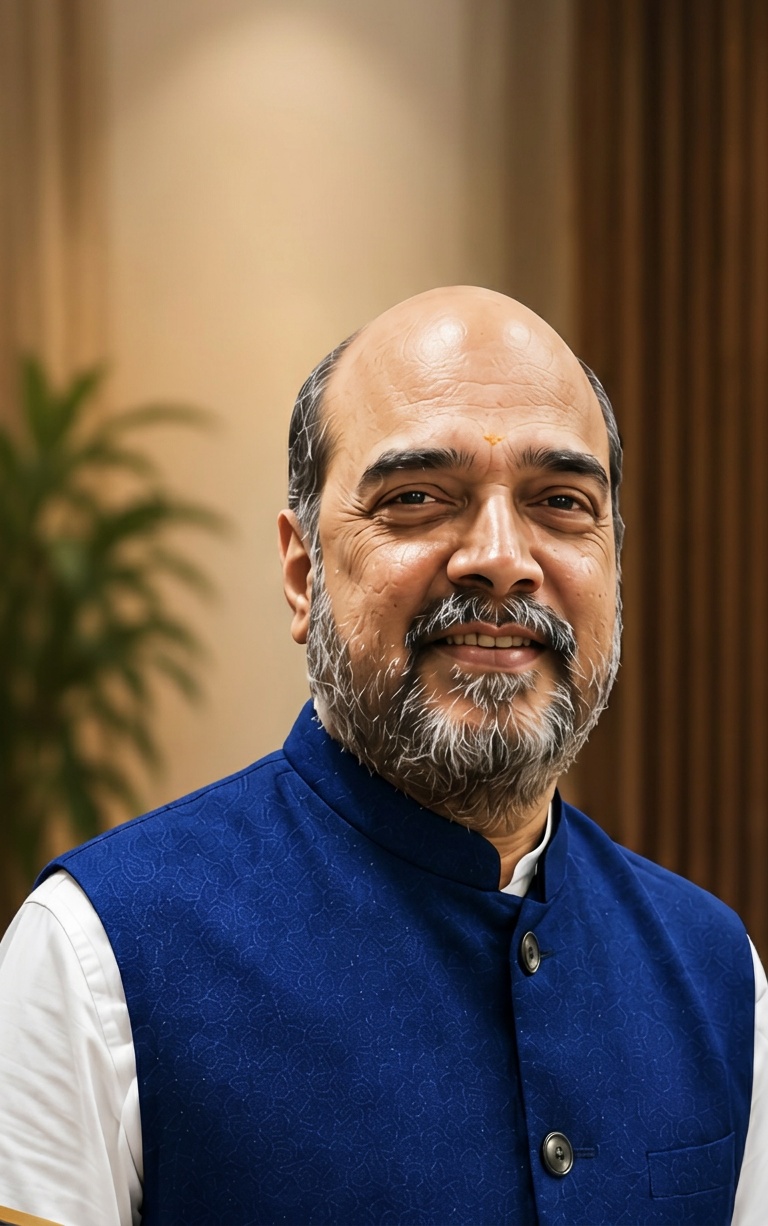
Begin with an online class or book a personal consultation with Mr. Sunkara E.P. Reddy.
Vastu-aligned buildings promote all areas of wellness — good health, happiness, family harmony, success and enlightened living. Peer-reviewed studies document the striking effects of living in homes designed with these principles.